Why Packaging Prices Have Been All Over the Place — And What Irish Businesses Can Do About It
If you run a takeaway, café, or catering business in Ireland, you will have noticed it: the price of a case of disposable cups, a bundle of pizza boxes, or a box of napkins has not been the same two years running since 2020. Some things went up sharply. Some came back down — a little. Others stayed stubbornly high while the ingredients they carry somehow got cheaper. It has been confusing, and for many businesses, quietly damaging to margins.
This piece explains exactly what happened — and what Irish food businesses can do to protect themselves from the next shock.
The COVID-19 Shock: How a Virus Broke the Packaging Supply Chain
Before 2020, global packaging supply chains were finely tuned for efficiency. Factories in China, Vietnam, and Indonesia ran at high utilisation, producing at low cost for customers worldwide. Lean inventory management meant buyers held minimal stock. Everything arrived just-in-time.
Then COVID-19 hit, and the system broke in three places at once.
Factory shutdowns in Asia
Major Chinese manufacturing hubs including Guangdong, Zhejiang, and Jiangsu — home to the largest concentration of disposable packaging factories in the world — faced staggered shutdowns in early 2020. Output fell sharply, and order backlogs built up for months. When factories re-opened, they prioritised their largest customers, leaving smaller European buyers at the back of the queue.
The e-commerce packaging surge
As retail closed and online shopping exploded, demand for cardboard boxes, bubble wrap, tape, and shipping materials went vertical. Packaging factories that could pivot did so. Food service packaging — cups, trays, foil containers — was deprioritised. Businesses that had been paying the same price for disposable cups for five years suddenly found stock unavailable at any price.
The container shipping collapse
This was the critical factor. Global container shipping entered a crisis unlike anything seen in modern logistics. Containers piled up in the wrong ports. Ships were delayed. And as demand for Asian exports surged while supply chain chaos continued, freight rates went into freefall — upwards. A 40-foot container from Shanghai to Northern Europe that cost around €1,500–€2,000 pre-COVID was costing €12,000–€18,000 by late 2021. Some routes hit €20,000.
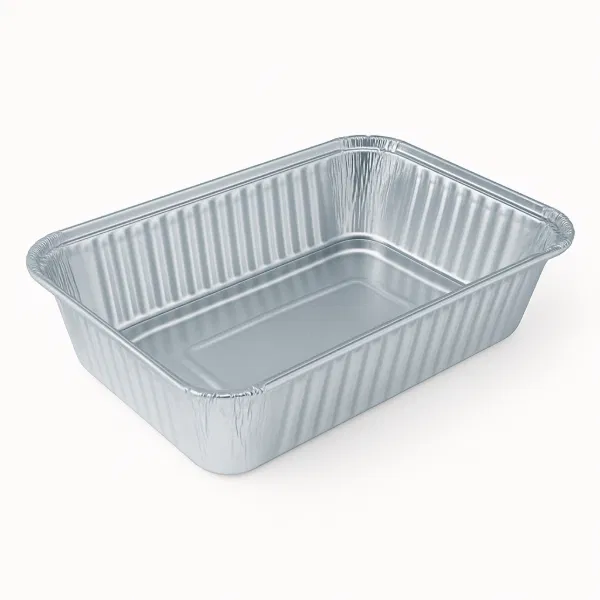
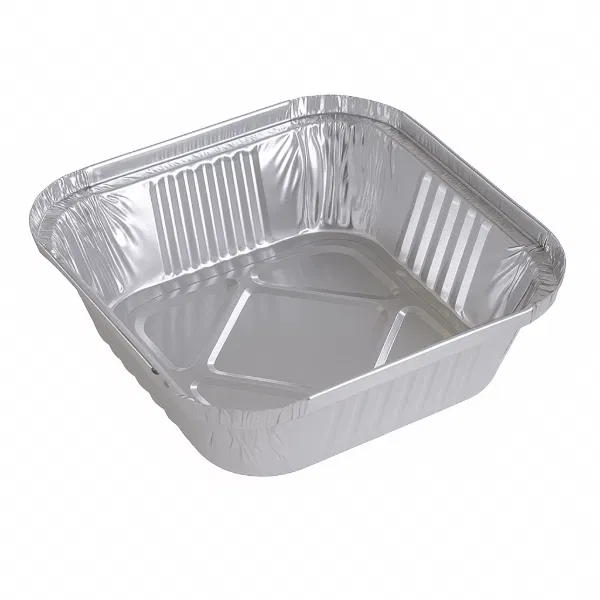
For Irish packaging buyers, this translated to price increases of 30–80% on many standard lines between 2020 and 2022. A case of 500 kraft SOS bags that cost €18 before COVID was costing €28–€32 by late 2021. Foil containers, which are almost entirely sourced from Asia, saw even steeper rises. And because packaging suppliers were dealing with the same cost pressures, they had little choice but to pass the increases on.

The China Problem: Why Irish Packaging Is So Dependent on One Country
The pandemic exposed something that had been quietly building for decades: Ireland — and Europe generally — is deeply dependent on Chinese manufacturing for disposable food packaging. Understanding why this happened is key to understanding what comes next.
How China came to dominate packaging manufacturing
Through the 1990s and 2000s, Western packaging manufacturers found themselves unable to compete with Chinese factories on cost. Labour was dramatically cheaper. The Chinese government invested heavily in manufacturing infrastructure — ports, roads, industrial zones — and offered favourable tax treatment for export industries. European factories, facing higher wages, energy costs, and environmental compliance, closed progressively or shifted to premium-only production.
By 2010, the majority of disposable cups, foil containers, plastic lids, wooden cutlery, and many paper-based packaging formats sold in Ireland were either manufactured in China directly or from Chinese raw materials processed in third countries. This was not a secret — it was just the logical outcome of price-driven procurement.
The risk nobody priced in
The efficiency of global just-in-time supply chains left no buffer for disruption. When Chinese production slowed, Irish businesses had days of stock rather than weeks. The fragility became visible overnight.
It is worth noting that the dependency on China extends beyond packaging itself. The raw materials that go into "European" packaging — pulp for paper cups, aluminium for foil containers, resin for plastic lids — are often sourced from or processed via Chinese supply chains. A disruption to Chinese manufacturing cascades across the entire supply chain, even for nominally European-produced goods.
Container Shipping: The Invisible Price Driver
Most packaging buyers never thought about container shipping until it became the dominant story in their cost base. Understanding how it works explains why packaging prices respond so violently to shipping events — and why the effects linger long after freight rates fall.
Container freight rate timeline (Shanghai → Europe)
The key thing to understand about shipping costs and packaging prices: the effect is not instantaneous and not symmetric. When shipping rates rise, packaging prices follow within 2–3 months as supplier stock purchased at high freight costs flows through. When shipping rates fall, packaging prices take longer to come down — often 6–12 months — because suppliers are working through stock purchased at higher cost and are reluctant to compress margins.
This means Irish businesses experienced the full pain of the 2021 spike, but only captured a fraction of the 2023 fall before new disruptions — including the Red Sea shipping rerouting caused by Houthi attacks on vessels in late 2023 and through 2024 — pushed rates up again.

Raw Material Inflation: Paper, Aluminium, and the Energy Factor
Container shipping costs were the headline, but raw material inflation compounded the problem. Three materials matter most for Irish food service packaging:
Virgin and recycled paper / board
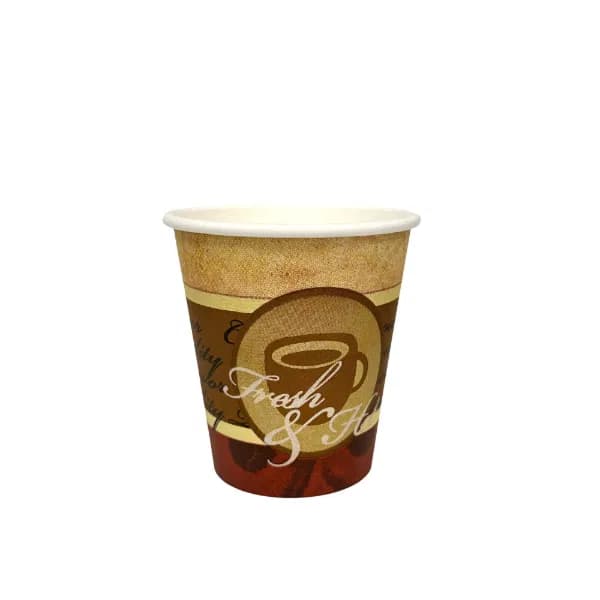
Paper prices are driven by pulp costs, energy costs (paper mills are energy-intensive), and recycled fibre availability. European paper prices rose 40–60% between 2021 and 2023 as energy costs post-Ukraine invasion surged and supply chains tightened. Pizza boxes, paper cups, and kraft bags were all affected.
Aluminium (foil containers)
Aluminium is one of the most energy-intensive metals to produce. When European energy prices spiked following the Russia–Ukraine war in 2022, aluminium production costs rose sharply. Combined with supply chain disruption and sanctions on Russian aluminium, foil container prices rose significantly — particularly painful for Indian and Chinese takeaways that use foil containers heavily.
Virgin plastic (lids, cutlery, cups)
Plastic packaging is derived from petrochemicals. Oil price volatility between 2020 and 2022 fed directly into resin and plastic packaging costs. The EU Single-Use Plastics Directive also began adding compliance costs and reducing the range of cheaper plastic alternatives available to European buyers.
Why Ireland Is Moving Towards Sustainable Packaging — And It Is Not Only About the Environment
The shift towards sustainable packaging in Ireland is accelerating for multiple overlapping reasons — environmental values are one part of the picture, but supply chain resilience and regulation are equally important drivers.
Regulation: The push you cannot ignore
The EU Single-Use Plastics Directive banned expanded polystyrene food containers, plastic cutlery, plastic straws, and plastic plates across all EU member states — including Ireland — from 2022. This was not optional, and it forced an immediate switch for any business still using the banned materials.
The EU's Packaging and Packaging Waste Regulation (PPWR), working through the European legislative process, will extend requirements further — including mandatory recycled content percentages, reusability targets, and restrictions on certain packaging formats. Irish businesses that transition to sustainable alternatives now will face lower compliance costs and disruption when these rules arrive.
Supply chain resilience: The case for sourcing closer to home
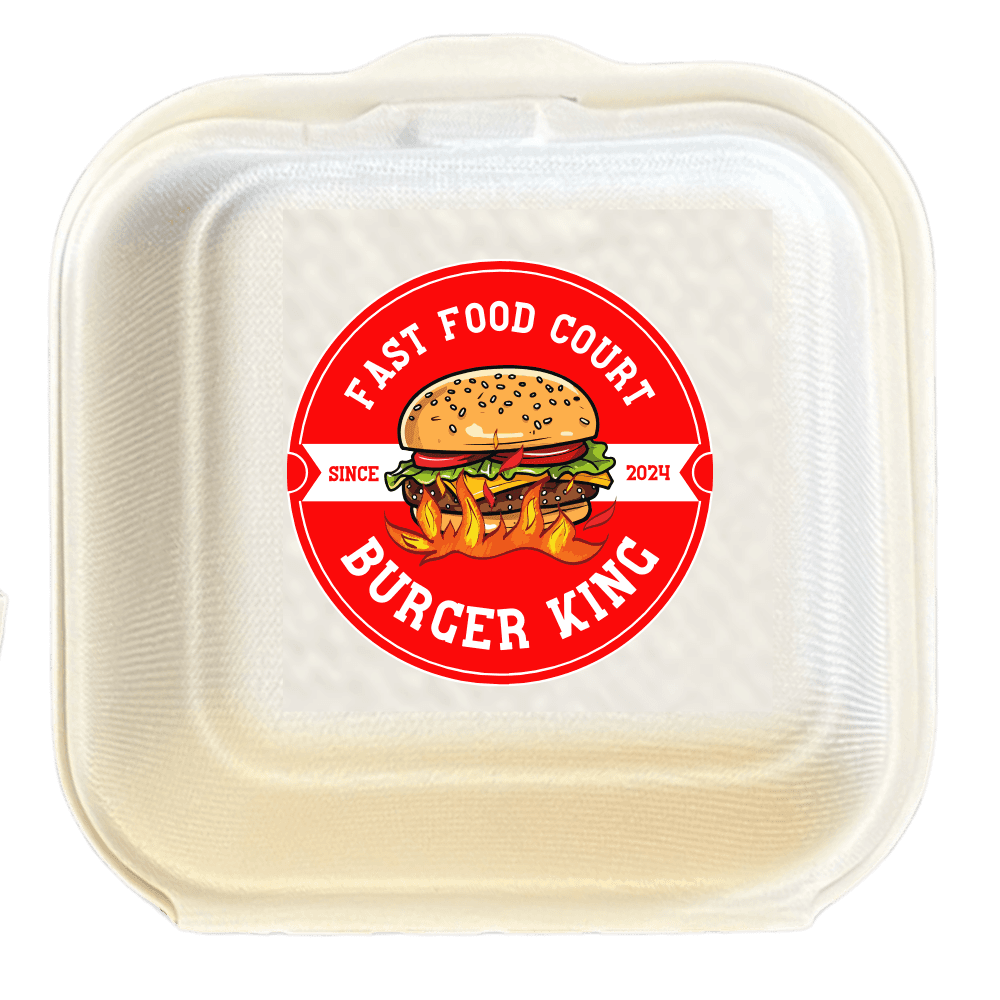
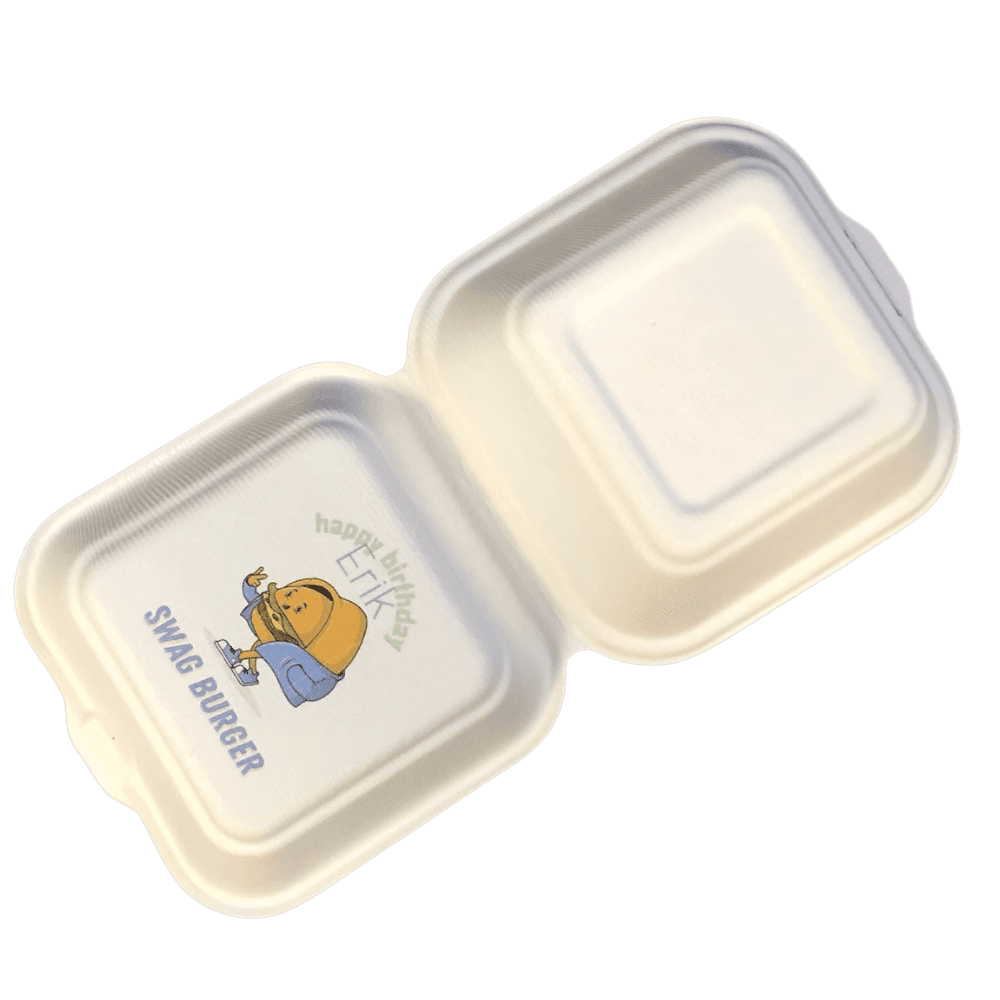
COVID demonstrated the fragility of 12,000km supply chains. Sustainable packaging — particularly bagasse, paper-based, and locally produced compostable alternatives — often has a shorter, more diversified supply chain than the polystyrene and plastic it replaces. European bagasse manufacturing capacity has grown substantially since 2020, partly in response to the instability of Chinese supply.
A shorter supply chain means more predictable lead times, less exposure to container shipping volatility, and the ability to hold less buffer stock — a real operational benefit for businesses that were burned by the chaos of 2021.
Consumer preference: The Irish market is shifting
Irish consumer attitudes to packaging have shifted markedly since 2019. Bord Bia data consistently shows sustainability rising as a purchasing factor — particularly among the 25–45 age group that dominates food delivery app usage. For takeaways competing on Deliveroo and Just Eat, packaging is one of the few visible brand touchpoints the customer interacts with. A polystyrene burger box signals something different than a bagasse box, and Irish consumers are increasingly aware of the difference.
What Irish Businesses Can Do Right Now
Packaging costs are unlikely to return to pre-2020 levels. The combination of higher raw material costs, ongoing regulatory compliance requirements, and a less stable shipping environment means Irish food businesses need to build smarter packaging strategies rather than waiting for prices to normalise.
Audit what you are actually spending
Most food businesses have never done a line-by-line packaging audit. Calculate your monthly spend by product, track price changes over 12 months, and identify which lines have risen most. This tells you where to focus negotiation effort.
Build a strategic stock buffer
The lesson from 2021 is that holding zero buffer stock is dangerous. For your highest-volume lines — cups, napkins, carry bags — holding 4–6 weeks of stock is cheap insurance against supply disruption or price spikes. The storage cost is almost always less than the cost of an emergency order at spot pricing.
Consolidate your supplier base
Buying from 3–4 packaging suppliers gives you diversification — but also fragments your volume and reduces your negotiating leverage with each. Most Irish food businesses are better served by consolidating to one primary supplier with competitive pricing across their full range.
Transition to eco-friendly where the economics work
Bagasse burger boxes and paper-based alternatives are competitive with polystyrene equivalents at current pricing — and they eliminate compliance risk. Start with your highest-volume container and switch. The per-unit difference is smaller than most people expect.
Lock in pricing where you can
Some suppliers offer forward pricing agreements for businesses committing to volume. If you have predictable usage on a high-volume line, asking for a 6 or 12-month price commitment can protect you from the next shipping event or raw material spike.
Frequently Asked Questions
Why did packaging prices go up after COVID?
COVID caused factory shutdowns, an e-commerce demand surge, and a global container shipping crisis. Freight rates from Asia to Europe rose 600–800% between 2020 and 2021, with knock-on effects across paper, plastic, and aluminium raw materials.
Why is so much packaging made in China?
China dominates packaging manufacturing due to lower labour costs, large-scale infrastructure investment, and decades of supply chain development. European manufacturers cannot match Chinese factories on cost for commoditised items like disposable cups, foil containers, and plastic lids.
Are packaging prices in Ireland coming down?
Container shipping rates fell from their 2021–2022 peak, and some categories saw modest reductions. However, energy costs, raw material inflation, and new EU environmental regulations have kept prices elevated compared to pre-COVID levels.
How can Irish businesses reduce their packaging costs?
Key strategies include buying in bulk, consolidating suppliers, holding a buffer stock on high-volume lines, switching from imported plastic to locally available eco alternatives, and asking suppliers for forward pricing commitments.
Get competitive pricing on packaging for your Irish business
Irish-held stock, transparent wholesale pricing, and fast nationwide delivery. No 12-week lead times.