Irish Restaurants & Packaging Costs in 2025–2026: What the Data Actually Shows
The Irish foodservice sector is nominally at an all-time high — but closures are accelerating, real volumes are down, and packaging costs have never fully unwound from the post-COVID spike. Here is the data, in one place, with no spin.
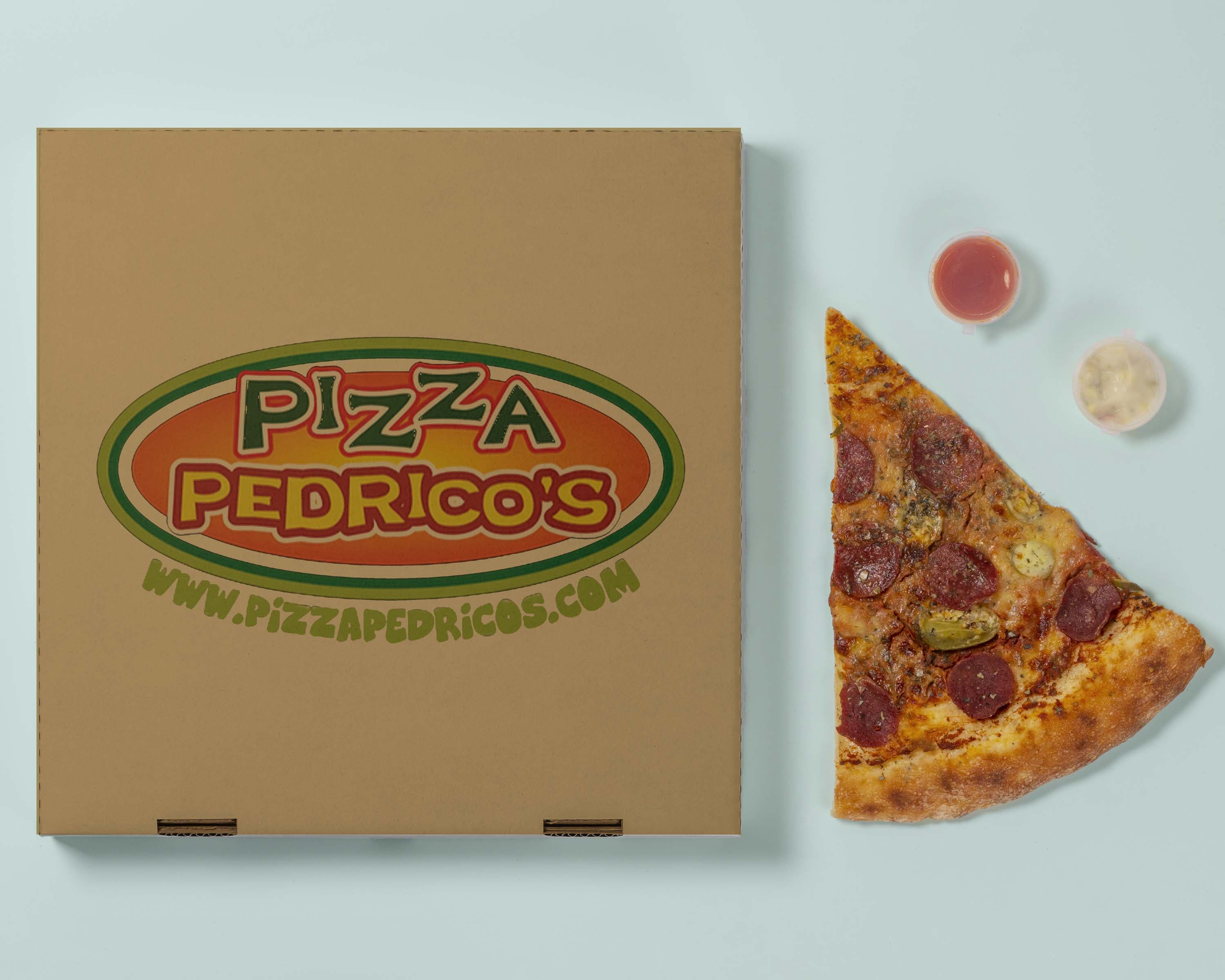
The Numbers at a Glance
Year-by-Year: Irish Foodservice & Packaging Costs (2019–2026)
Packaging cost proxy index (2019 = 100) tracks blended price changes across corrugated board, polystyrene, plastics, and paper — weighted to a typical Irish takeaway basket. Revenue and volume figures: CSO/Fáilte Ireland. Closures: Restaurants Association of Ireland / PwC. *2026F = forecast.
| Year | Industry Revenue | Volume Index | Closures | Packaging Cost Index |
|---|---|---|---|---|
| 2019 | €8.3bn | 100 | baseline | 100 |
| 2020 | €5.1bn | 61 | ~620 | 102 |
| 2021 | €6.9bn | 83 | ~390 | 114 |
| 2022 | €8.7bn | 95 | ~210 | 139 |
| 2023 | €9.4bn | 98 | ~280 | 131 |
| 2024 | €9.9bn | 97 | ~310 | 126 |
| 2025 | €10.4bn | 93 | 150+ Q1 | 124 |
| 2026F | €10.9bn* | 92* | TBD | ~120* |
Red = severe inflationary pressure. Amber = elevated. Packaging index peaks at 139 in 2022.
The Packaging Cost Spike: How It Happened
Packaging Cost Index vs 2019 Baseline (2019 = 100)
The shock was not a single event — it was a cascade. COVID-19 factory shutdowns in 2020 reduced global packaging manufacturing capacity just as foodservice switched almost entirely to delivery, massively increasing demand for takeaway boxes, foil containers, paper bags, and single-use cups.
By 2021 demand had rebounded but capacity had not. The second wave hit when container shipping rates from China — the origin point for the majority of raw packaging materials and finished packaging goods — rose by over 800% between early 2020 and Q4 2021. A 40ft container that cost $1,800 to ship pre-COVID peaked at over $20,000 at the height of the crisis.
Simultaneously, raw material prices surged: virgin pulp up ~45%, recycled paper/board up ~60%, petroleum-derived plastics up ~30%, and aluminium (used in foil trays) up ~40% from trough to peak. Irish importers and distributors — who had no domestic manufacturing base to insulate them — absorbed or passed on every layer.
Where Your Packaging Cost Actually Comes From
Raw Materials
- Virgin wood pulp (board, paper)
- Recycled fibre (corrugated)
- Aluminium (foil trays)
- Petroleum derivatives (plastics)
- Energy costs at mills
Manufacturing & Shipping
- Asia-to-Europe container freight
- Factory energy costs
- Currency (USD/EUR)
- Port congestion surcharges
- Minimum order quantities
Your Invoice Price
- Irish distributor margin (15–25%)
- VAT (23% for packaging)
- Delivery surcharges
- Kitchen supplier markup
- Currency hedging pass-through
The typical Irish restaurant buys packaging through a kitchen distributor — the same company that delivers cooking oil, napkins, and cleaning supplies. This convenience comes at a cost: distributor margins on packaging range from 15% to 30% above what a dedicated packaging wholesaler charges, and kitchen distributors do not carry the full range of sizes, board grades, or print options.
Switching even 50% of packaging spend to a specialist Irish packaging supplier can realistically cut packaging line costs by 12–20%, with better lead times and no minimum order quantity surprises.
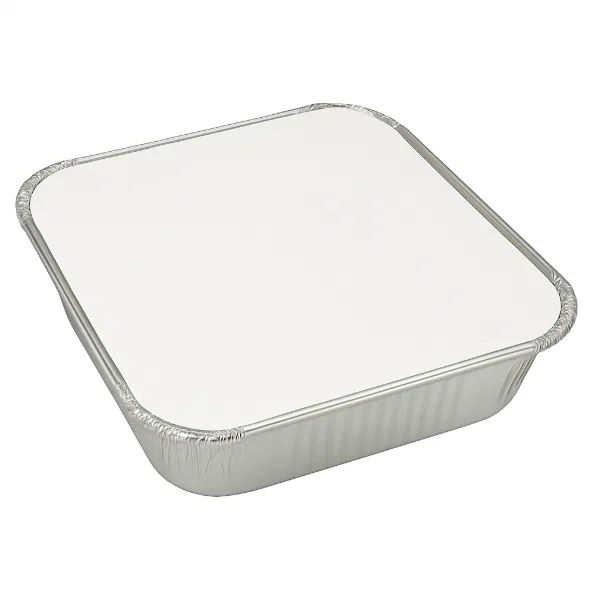
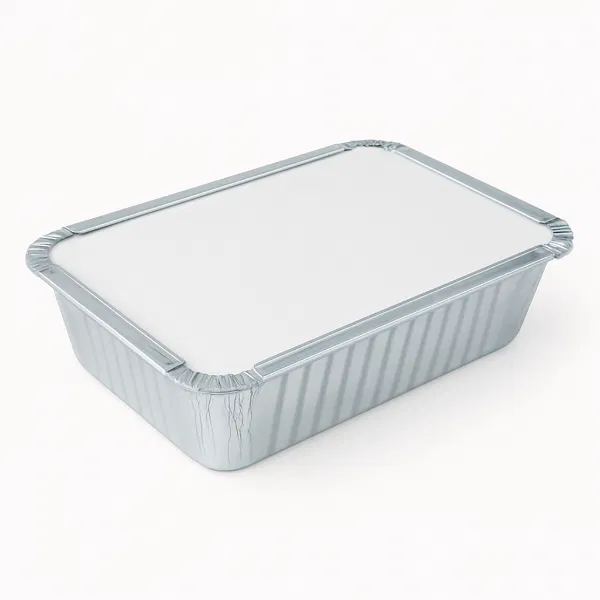
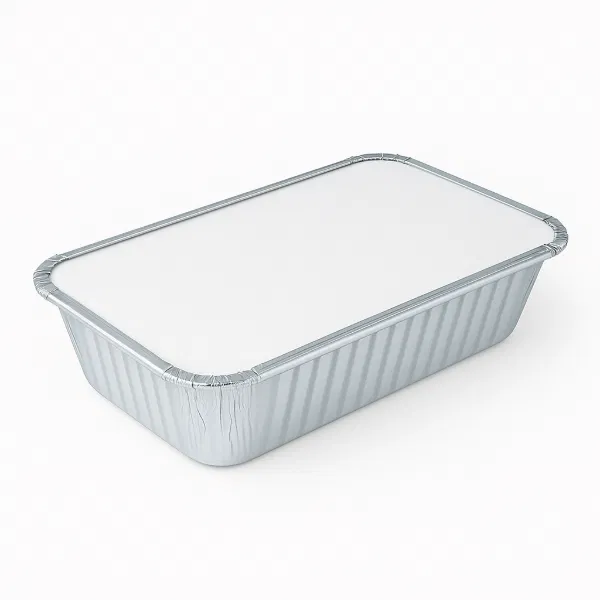
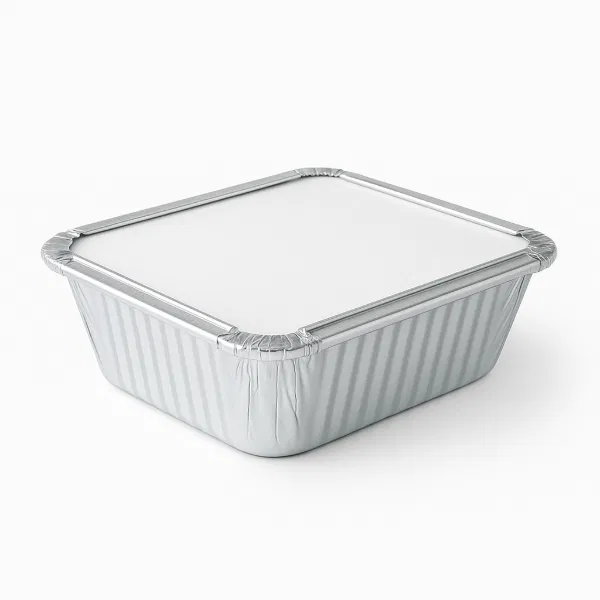
Foil containers available in plain or custom-branded from PrintNPack Ireland — order from 500 units.
PPWR & Repak: What Irish Restaurants Need to Know for 2026
PPWR entered EU force
February 2025
Practical compliance deadline
~August 2026
Repak licence renewed
January 2026 (10 years)
Smurfit WestRock Ireland
Now world's largest paper/board co.
The EU Packaging and Packaging Waste Regulation (PPWR) entered force in February 2025. For Irish foodservice operators the most immediate obligations are:
- Mandatory recycled content targets — packaging must hit minimum recycled content thresholds by 2030, ramping from 2026. Early-movers who switch now will avoid a forced disruptive change later.
- Single-use plastic restrictions — the SUP Directive already bans plates, cutlery, straws, and polystyrene cups in Ireland. PPWR extends the scope and tightens enforcement, particularly for labelling requirements.
- Reuse schemes — PPWR mandates reuse targets for food and beverage packaging in certain service contexts by 2030. Takeaway-first operators are partially insulated, but eat-in operations face more significant change.
Repak's 10-year licence, confirmed in January 2026, gives Ireland a stable producer responsibility scheme through 2035. Businesses paying Repak levies can expect levy structures to remain broadly stable — but the levy itself is calculated per kilogram of packaging placed on market, so reducing overall packaging weight and switching to lighter substrates directly reduces your Repak bill.
Smurfit WestRock's consolidation (completed 2024) has created the world's largest paper and board company with significant Irish roots. For Irish buyers this has mixed implications: procurement leverage increases for large buyers, but smaller operators may face longer lead times as the combined entity optimises its global order book.
Delivery Economics: Where Packaging Cost Hurts Most
€2.2bn
Annual Irish food delivery market
2.9×
Average orders per household per month
€46.49
Average monthly household delivery spend
Economics of a Typical €35 Delivery Order
Illustrative model. Food cost % varies significantly by cuisine type. Packaging cost based on industry average for a meal with pizza box or foil container + bag + napkin.
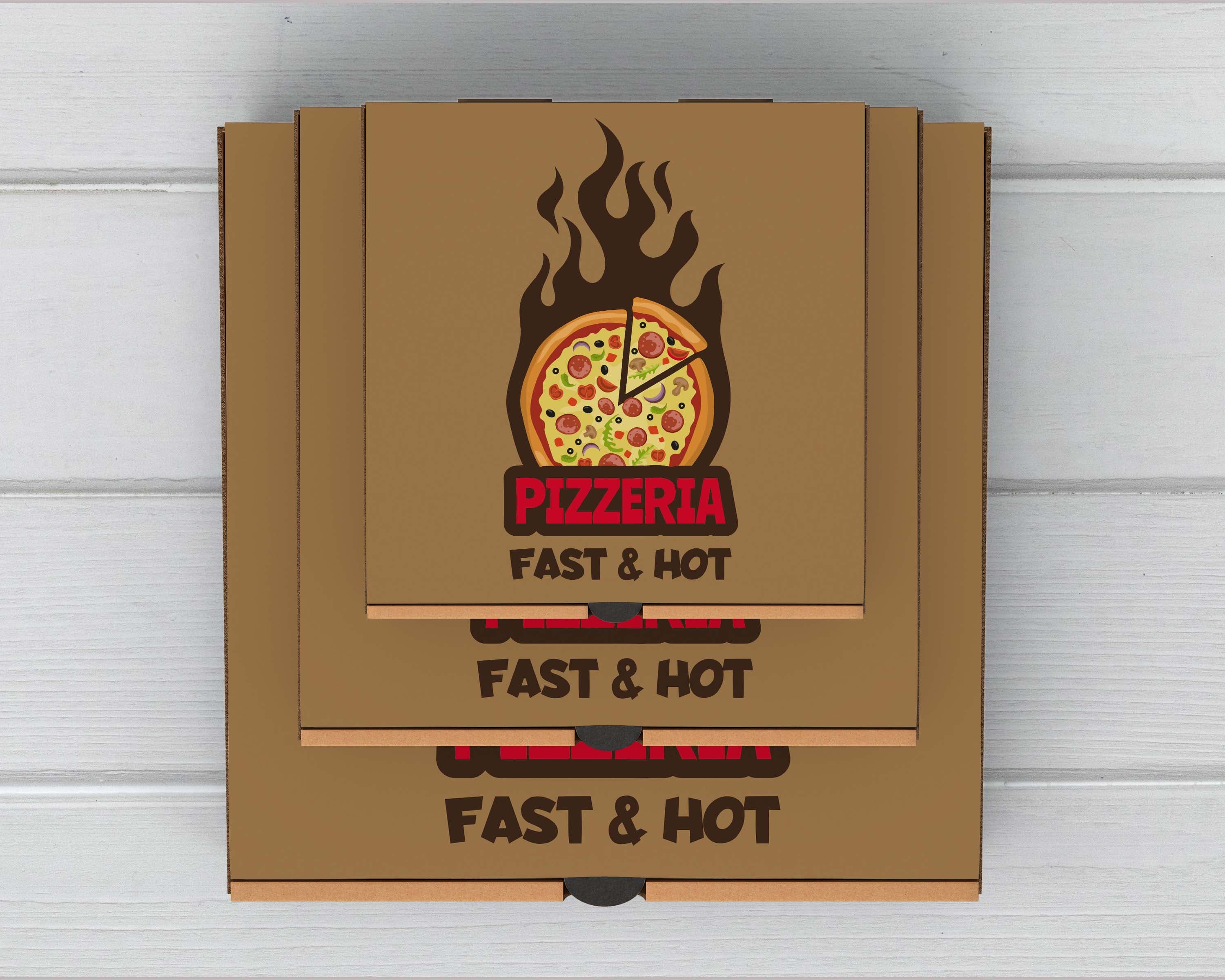
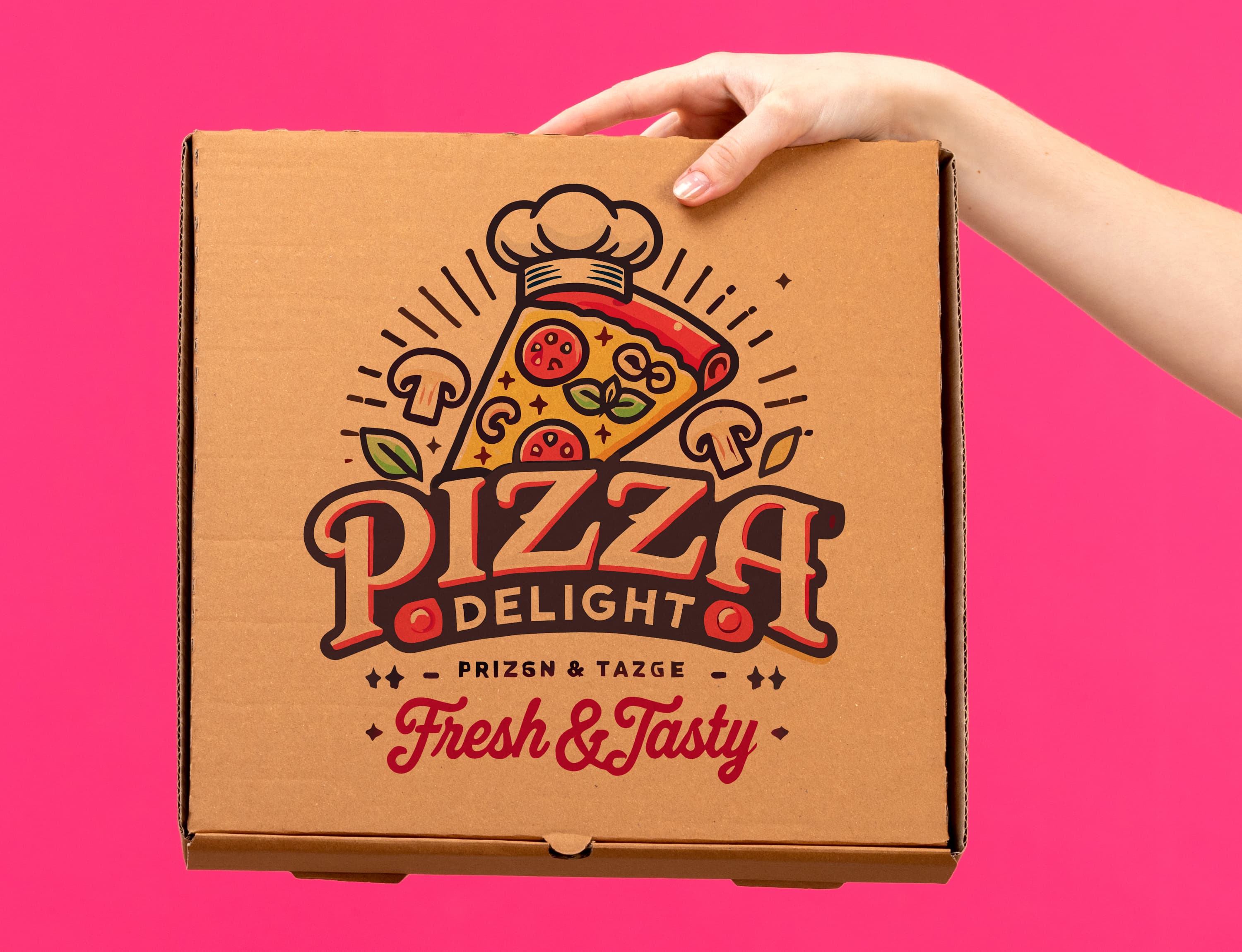
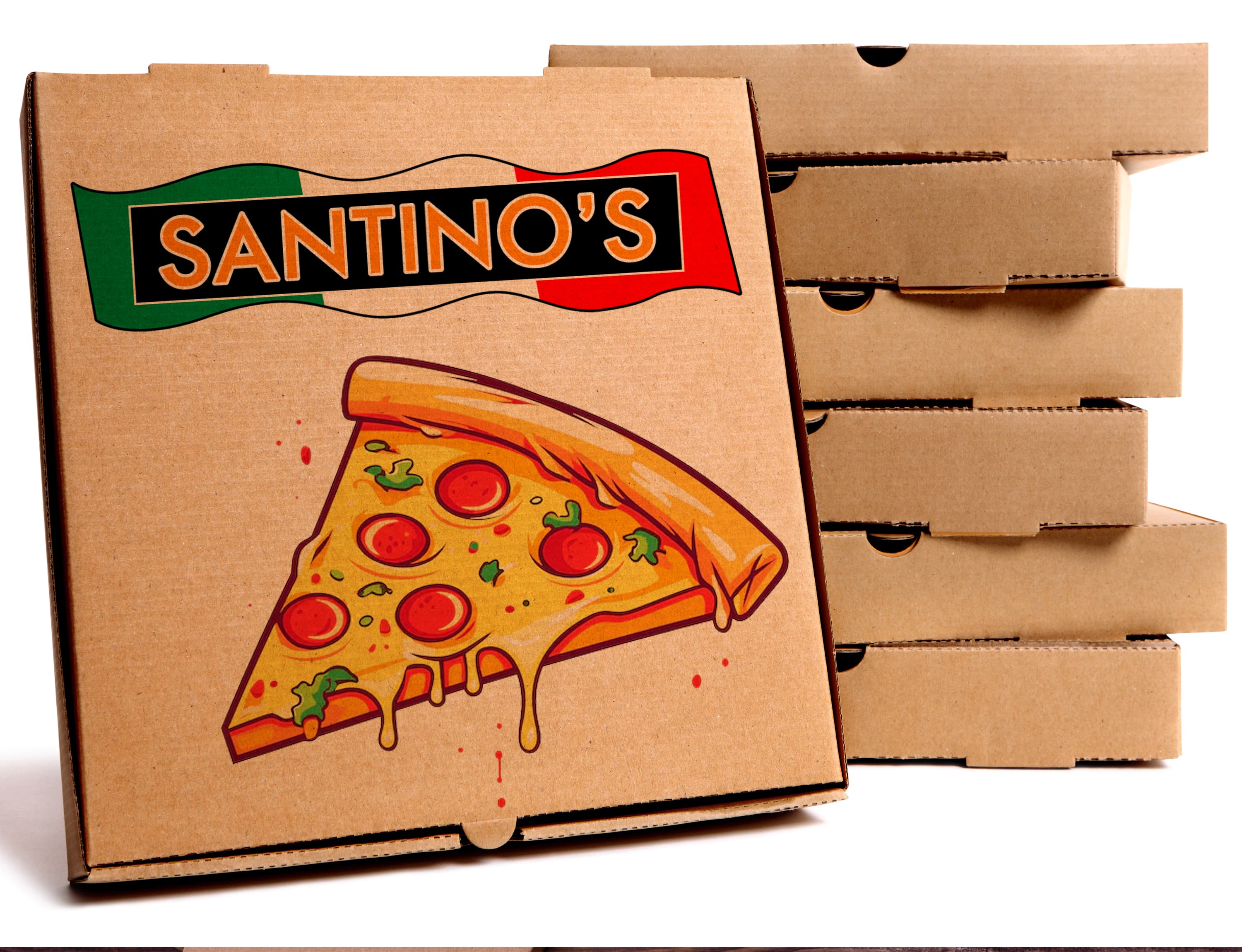
At €1.80 per delivery order, packaging is a small number — until you realise a busy Dublin takeaway doing 150 delivery orders per day is spending €270/day or €98,550/year on packaging for delivery alone. A 15% reduction in packaging cost through bulk ordering and SKU rationalisation saves nearly €15,000 annually. That is not a rounding error — that is a part-time salary.

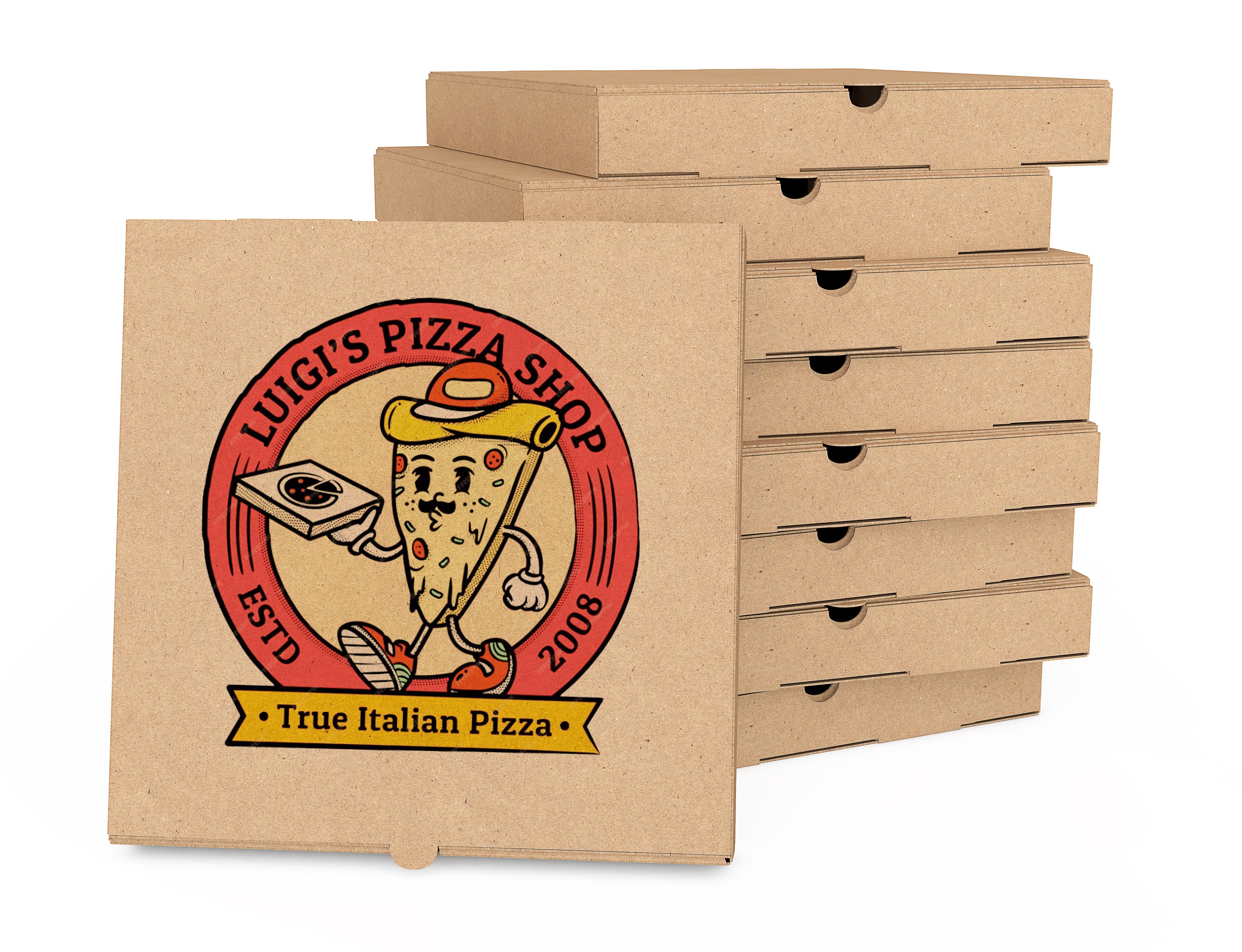
5 Practical Actions for Irish Restaurants in 2026
Conduct a packaging SKU audit
List every packaging item you currently buy, its unit cost, and monthly volume. Most operators discover they are carrying 40–60% more SKUs than they need — duplicate sizes, overlapping products from different suppliers. Consolidating to a tighter range unlocks volume discounts and reduces storage complexity.
Track cost-per-order as a KPI
Food cost percentage is a standard KPI. Cost-per-delivery-order for packaging is not — but it should be. Divide total monthly packaging spend by total delivery orders. A target of €1.20–1.60/order is achievable for most takeaways; anything above €2.20 warrants an immediate review.
Buy directly from a packaging specialist, not your kitchen distributor
Kitchen distributors are convenient but expensive for packaging. Specialist packaging suppliers — particularly Irish ones who hold local stock — offer 12–25% lower unit prices, broader specification ranges, and faster delivery. For foil containers, pizza boxes, and paper bags, the savings are particularly significant at volume.
Start your PPWR transition now, not in August 2026
Switching packaging suppliers disrupts kitchen operations — new sizes, new folding patterns, team retraining. If you wait until August 2026 deadlines are imminent, you will be doing this under pressure and in competition with every other operator in Ireland scrambling simultaneously. Begin your eco packaging specification now.
Use design to reduce premium packaging dependency
Branded packaging can command a premium perception that justifies cost. But branding doesn't have to mean full-print — a branded stamp on a kraft box, a branded sticker on a plain bag, or branded tissue inside a plain SOS bag achieves the customer experience at 30–40% lower packaging cost than full-print short runs.
Frequently Asked Questions
How much have packaging costs increased for Irish restaurants since 2019?▼
What is PPWR and how does it affect Irish restaurants?▼
What is the best way for Irish restaurants to reduce packaging costs in 2026?▼
Ready to Cut Your Packaging Cost Per Order?
PrintNPack Ireland supplies pizza boxes, foil containers, paper bags, and eco packaging to restaurants across Ireland — no unnecessary middlemen, no minimum order shock.