Expanded Polystyrene (EPS) in Ireland: What Is Banned, What Is Still Legal, and What Changes by 2030
EPS single-use food containers have been illegal in Ireland since July 2021 — but “all EPS is banned” is a myth. The legal picture, recycling reality, and the PPWR rules coming between 2026 and 2030 are more nuanced than most operators realise.
Key Facts at a Glance
3 Jul 2021
Ireland banned EPS single-use food & beverage containers
Excluded
Fish boxes & meat trays for raw products — outside the SUP ban
12 Aug 2026
PPWR applies — new EU packaging regulation enforceable
1 Jan 2030
PPWR format restrictions & recyclability requirements apply
What Is Banned vs. What Is Still Legal
Banned since 3 July 2021
- ✕EPS food containers for ready-to-eat consumption (clamshells, boxes)
- ✕EPS beverage containers
- ✕EPS cups (including lids)
- ✕Any EPS packaging for food consumed directly from the container
- ✕EPS hot food trays / portion containers
Cannot be placed on the Irish market.
Generally still legal (2026)
- ✓EPS fish boxes for transporting raw seafood (not ready-to-eat)
- ✓EPS meat trays for raw, unprocessed product
- ✓EPS cold-chain transit packaging (not for direct consumption)
- ✓EPS protective packaging (appliances, electronics)
- ✓EPS insulation/construction uses
Still subject to waste obligations and tightening PPWR rules from 2026–2030.
The legal test under the EU Single-Use Plastics Directive is about intended use at the point of sale, not the material itself. “Food containers” for the purpose of the ban are specifically defined as packaging used to contain food intended for immediate consumption — typically consumed from the container, ready to eat without further cooking, boiling, or heating.
EU Commission interpretive guidance (which aids consistent enforcement across Member States) explicitly names fish boxes and meat trays as examples that fall outside the “food container” category, because the food they contain is not intended for immediate consumption and requires further preparation. This is the “fish box exception” in practice.
Irish government guidance (updated January 2026) confirms this picture: since 3 July 2021, EPS single-use cups and food and beverage containers are banned from being placed on the market in Ireland. Enforcement sits with the Environmental Protection Agency and local authorities.
EPS Use Cases: Regulatory Status & Disposal Routes (Ireland 2026)
| EPS Use Case | Legal Status (Ireland 2026) | Disposal Route | PPWR Impact by 2030 |
|---|---|---|---|
| Single-use cups / ready-to-eat food containers | 🚫 Banned since 3 Jul 2021 | Should not arise from legal supply | Prohibition reinforced; broader HORECA single-use restrictions from 2030 |
| Fish boxes / transport boxes for raw unprocessed food | ✅ Generally outside SUP ban scope | Specialist separate collection; compaction/densification required | Recyclability performance requirements from 2030; documentation burden increases |
| Protective packaging (appliances, electronics) | ✅ Not in SUP food container category | Clean: some civic amenity sites; general waste otherwise | PPWR minimisation and recyclability rules apply from 2026–2030 |
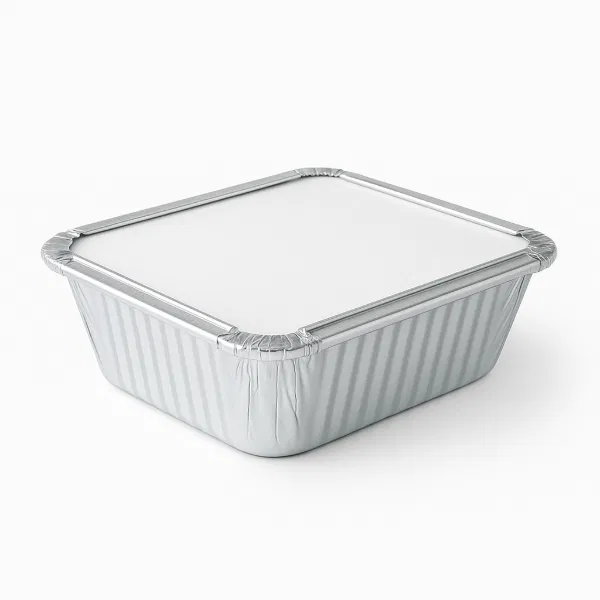
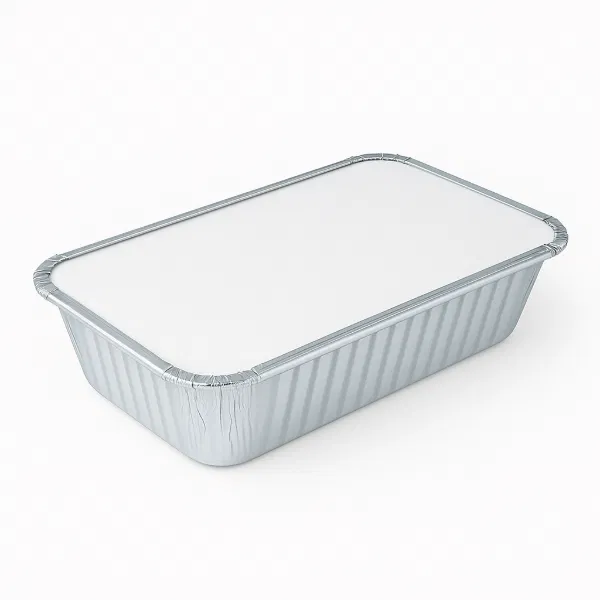
Bagasse burger boxes and foil containers are compliant, sustainable alternatives to EPS for Irish foodservice businesses.
Recycling EPS in Ireland: The Honest Picture
Household
Usually general waste
MyWaste classifies EPS as general waste. Some civic amenity centres accept clean, separately collected EPS. Do not assume the green bin.
Civic Amenity Centres
Variable, household-only
Acceptance is site-specific. Dublin City Council example: polystyrene accepted (household only, with a charge). Commercial waste refused.
Business
Specialist collection required
Must contract an authorised waste collector. Volume justifies compaction/densification. Cannot use civic amenity centres. Contamination is the key constraint.
EPS is technically recyclable — it is a polymer (polystyrene) and can be processed back into usable material. The problem is not chemistry but logistics: EPS is bulky and low-density, which makes transport economics the dominant cost driver. Moving a truck full of uncompacted EPS is expensive relative to the value of the material inside it.
The Bord Iascaigh Mhara analysis of fish-box EPS waste highlights this clearly: transport is often the largest cost in EPS recycling, and for fish boxes specifically, contamination (fish residue, ice, salt) can prevent acceptance by “clean EPS” compacting operations. Heat treatment may be required to meet recycler specifications — adding another layer of cost.
Irish recycling providers operating in this space (such as Waste Matters Ireland) describe systems where EPS is shredded, heated, compacted into briquettes, and then resold/reused — illustrating that the viable pathway requires investment in densification, not just separation. The economic hinge is whether your volume and cleanliness can justify the infrastructure.
The core constraint
For most Irish businesses, EPS recycling is economically viable only when: volume is sufficient to fill collection containers regularly, segregation is clean (no food contamination for cold-chain streams, or fish/salt residue managed separately), and on-site compaction or densification reduces transport costs to a viable level. Without all three, EPS goes to residual waste.
EPS & Packaging Regulation Timeline: 2019 to 2030
2019
SUP Directive adopted
EU Directive 2019/904 adopted — includes EPS food/beverage container market restrictions
Jul 2021
Ireland bans EPS containers
EPS single-use cups and food/beverage containers banned from the Irish market
2023
EPR litter cost obligations
Extended Producer Responsibility litter clean-up cost obligations begin for certain SUP packaging producers
2025
PPWR enters EU force
Regulation (EU) 2025/40 enters into force (20 days after OJ publication)
Aug 2026
PPWR applies across EU
PPWR applies across all Member States — new packaging rules enforceable
Feb 2028
Reuse option mandatory
HORECA must offer consumers an option to obtain takeaway food/drink in reusable packaging
Jan 2030
Format restrictions & recyclability
PPWR restrictions on certain packaging formats (Annex V) bite; recyclability performance grades apply
What PPWR Changes for EPS Users (2026–2030)
PPWR applies across all EU Member States
From this date, PPWR is enforceable across Ireland and the rest of the EU. New harmonised packaging rules come into force covering design, labelling, recyclability documentation, and waste management requirements. The compliance clock starts here.
Mandatory reuse option for HORECA takeaway
By this date, businesses in the HORECA sector (hotels, restaurants, cafés, caterers) making takeaway food or beverages available must give consumers an option to receive their order in reusable packaging within an organised re-use system. This does not end single-use packaging — but it begins to institutionalise reusable alternatives.
Format restrictions + recyclability performance grades
From 2030, PPWR restricts certain single-use plastic packaging formats in Annex V — including major HORECA uses. Separately, all packaging must meet recyclability performance grades (A, B, or C); packaging graded below C is treated as technically non-recyclable and restricted. This is where EPS users with cold-chain transport formats face a genuine documentation burden: they must prove recyclability within the grading system.
The direction of travel under PPWR is clear even where the specific obligations are phased: packaging must be demonstrably recyclable, plastic must be reduced or justified, and single-use solutions in customer-facing HORECA contexts will face increasing regulatory pressure through 2030 and beyond.
Repak’s 10-year licence (confirmed January 2026) gives Ireland a stable extended producer responsibility scheme through 2035. Repak levies are calculated per kilogram of packaging placed on market — so reducing packaging weight and switching to lighter, more recyclable substrates directly reduces your Repak bill, as well as improving your PPWR compliance position.
Business Checklist: 7 Actions for Irish Operators
Audit your current EPS inventory
Separate what is (a) consumer-facing ready-to-eat containers — which are banned — from (b) cold-chain transport EPS, which is generally still legal. Many businesses run both without realising the legal line between them.
Lock down procurement controls immediately
Irish government guidance is explicit: EPS single-use cups and food/beverage containers have been banned from the market since 3 July 2021. If any supplier is still offering these "as a cheap option", switch supplier now. This is not a grey area.
Write clean-separation into staff SOPs for EPS waste
EPS is only recyclable when separately collected and clean. Food contamination turns recyclable EPS into residual waste. Create a clear staff procedure: empty, clean, dry EPS goes to the separate stream — contaminated EPS goes to general waste.
Treat fish-box EPS as a specialist stream, not a standard one
Fish-box EPS has contamination issues (salt, moisture, fish residue) that standard clean-EPS compactors cannot always handle. Get specific guidance from your waste collector about downstream acceptance standards before assuming clean-EPS recycling routes apply.
Contract an authorised collector — do not rely on civic amenity centres
Civic amenity centres are household-only for polystyrene and may refuse commercial waste or charge. Contract an authorised waste collector with a confirmed downstream destination in writing. This is your compliance evidence.
Evaluate compaction/densification if your EPS volume is significant
Transport economics are the main barrier to EPS recycling. If you generate enough EPS to fill a collection container regularly, on-site compaction/densification (reducing EPS to briquettes) significantly improves the recycling economics and widens your options for offtakers.
Start your PPWR documentation now
PPWR applies from 12 August 2026 and introduces recyclability performance requirements and format restrictions from 2030. Begin recording your packaging types, weights, materials, and disposal routes now. Retrospective documentation is harder; current records are your compliance evidence when audits begin.
EPS Lifecycle Decision Map for Irish Businesses
Follow each decision in sequence to determine the right path for your EPS packaging.
◆ Decision 1
Is it a SUP-banned EPS food / beverage container for ready-to-eat use?
Stop procurement immediately
- • Switch to compliant alternatives
- • Document the change for records
Cold-chain transport EPS (fish boxes, meat trays, etc.) is generally outside the SUP ban scope. Proceed to assess your waste management options below.
↓ Proceed to Decision 2
◆ Decision 2
Is the EPS clean and segregable at the point of discard?
Separate to residual waste stream
- • Or arrange specialist treatment route
- • Reduce contamination at source
- • Review SOPs to improve segregation
Clean, separately collected EPS can enter a recycling pathway. The next question determines which route is economically viable for your volume.
↓ Proceed to Decision 3
◆ Decision 3
Do you generate enough EPS volume to justify on-site densification?
On-site compaction / densification
- • Shred, heat, compact into briquettes
- • Contract a recycler / offtaker
- • Confirm downstream specs in writing
↓ Proceed to Recycling step
Separate-collection sacks / bales
- • Contract an authorised waste collector
- • Monitor collection frequency & costs
- • Keep collection records for compliance
↓ Proceed to Recycling step
♻️ Recycling Market Acceptance
Briquette / beads / regranulate — material enters secondary market
📋 Record Weights, Destinations & Compliance Evidence
Required for PPWR audits from 12 August 2026 — start now, not at deadline
SUP-Compliant Alternatives Available from PrintNPack Ireland
Bagasse Burger & Food Boxes
Compostable, made from sugarcane fibre. Fully SUP-compliant and PPWR-ready. Grease-resistant for hot food.
View product →Foil Containers (Plain)
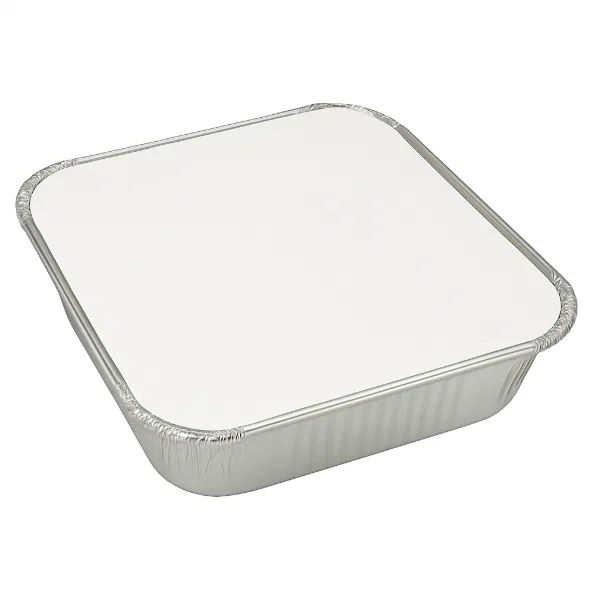
Aluminium foil trays for hot and cold food. Widely recyclable, no single-use plastic, available from 500 units.
View product →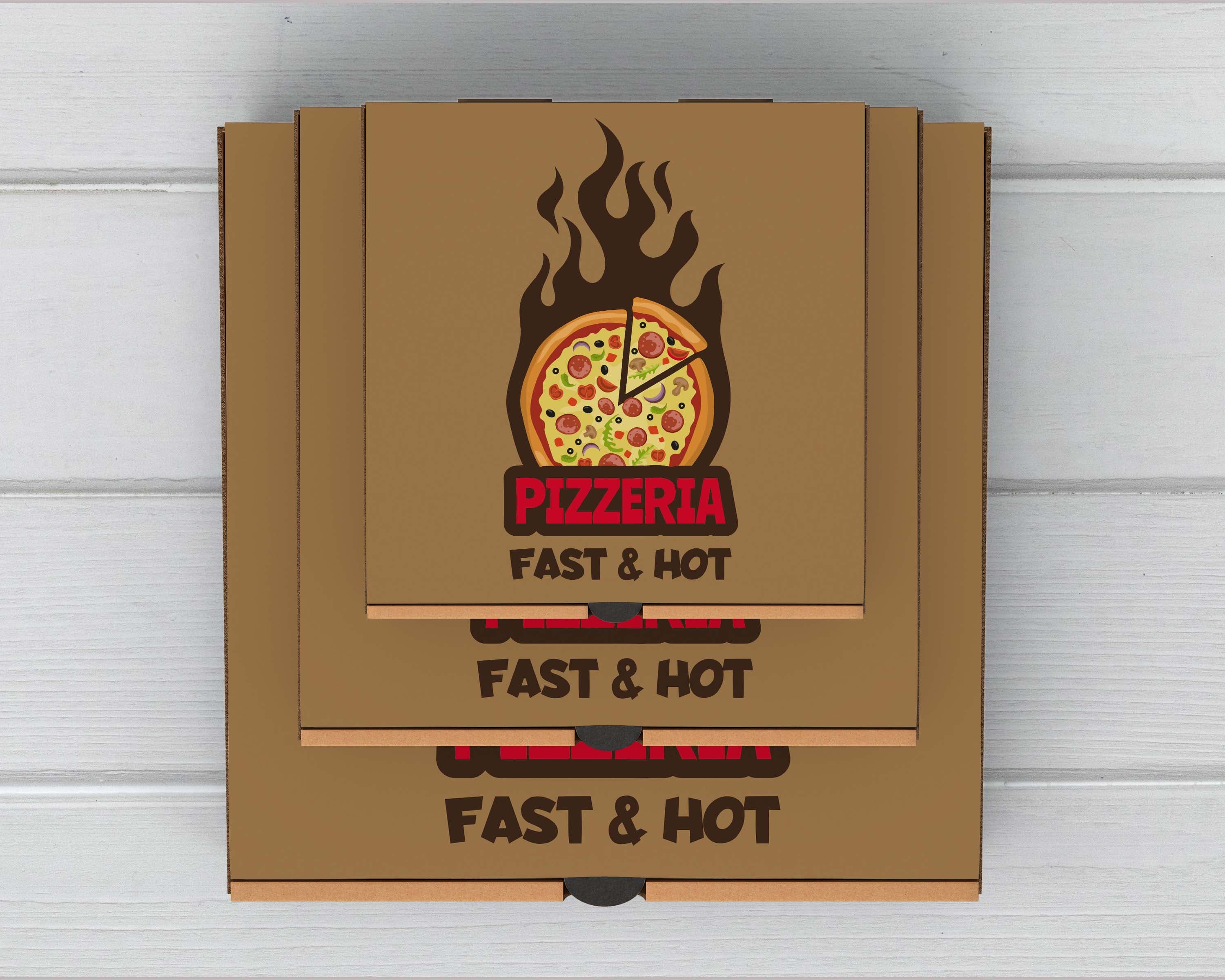
Corrugated Pizza & Food Boxes
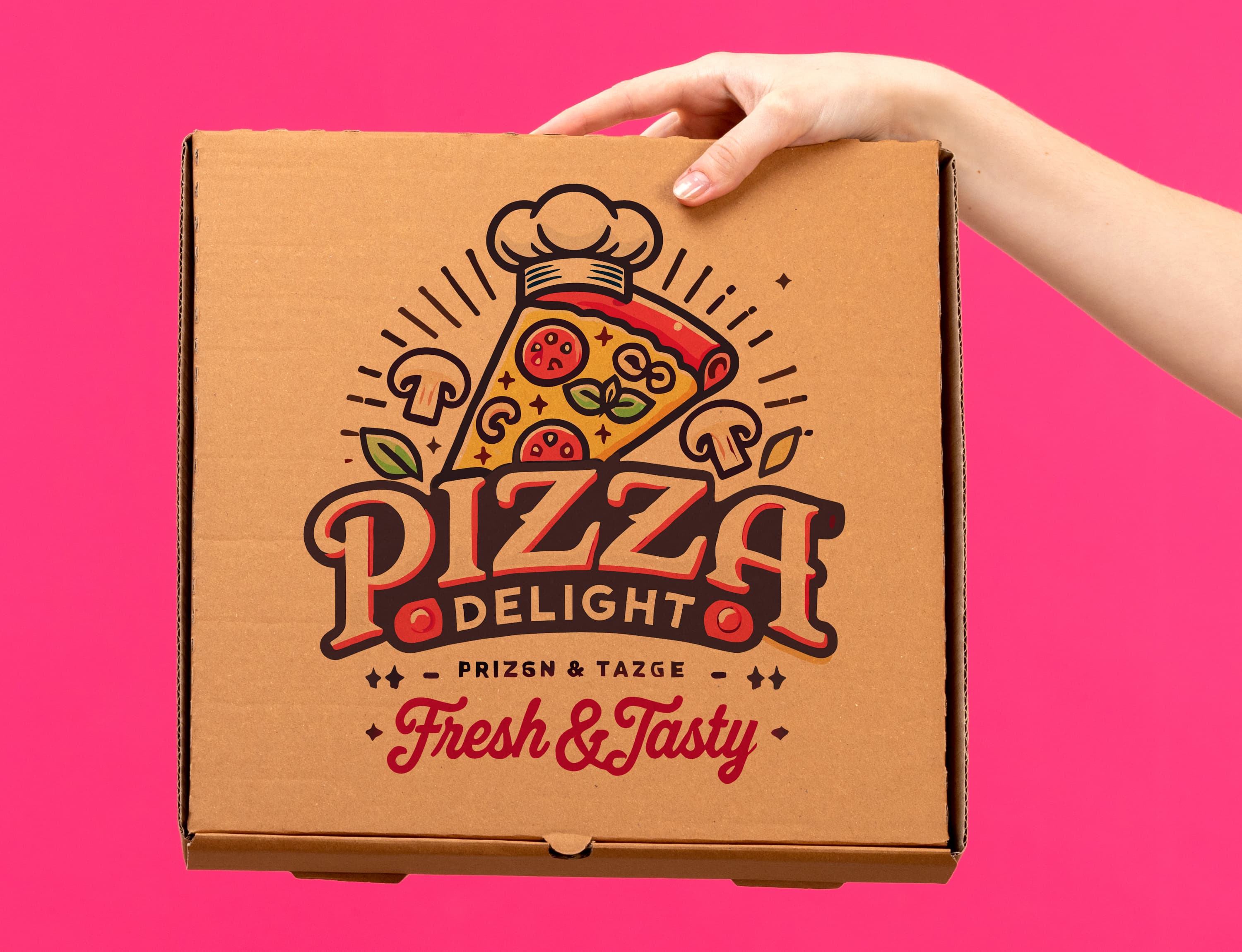
Corrugated board boxes for pizza, burgers, and takeaway. Recyclable, no EPS, available plain or custom-printed.
View product →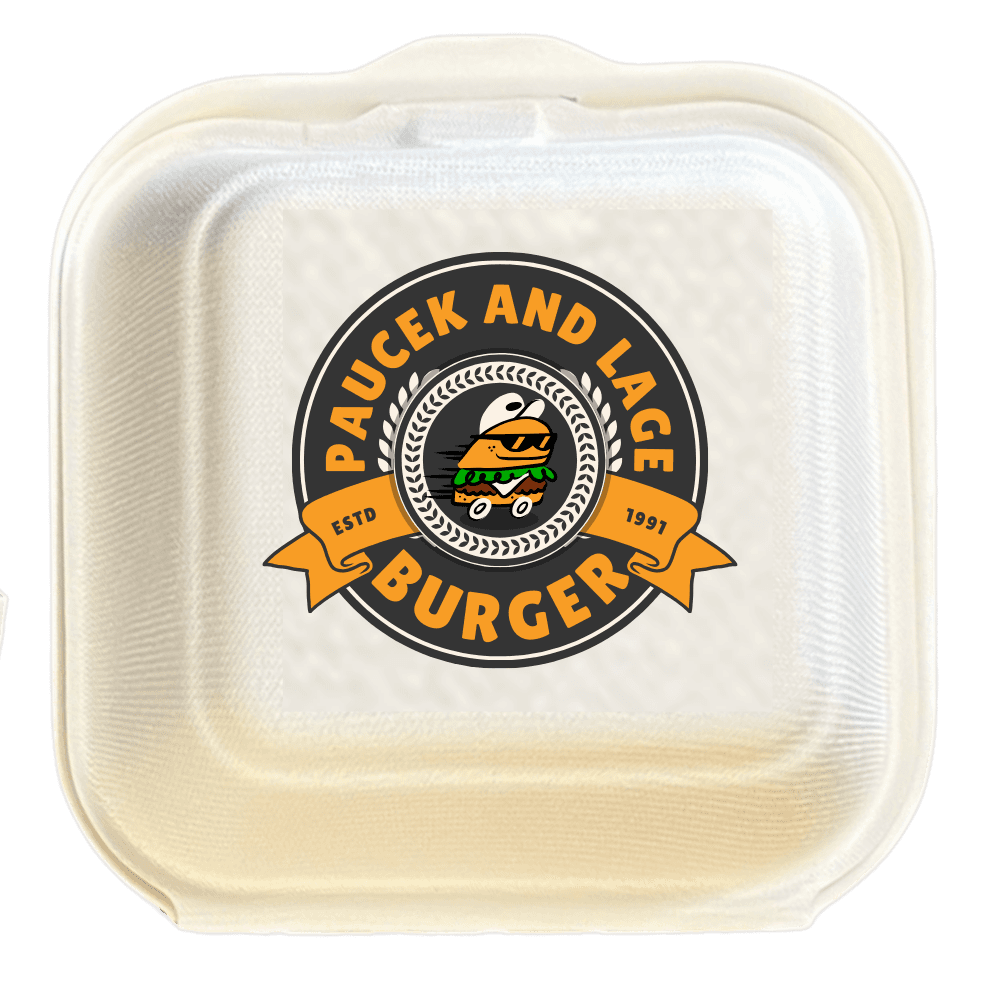
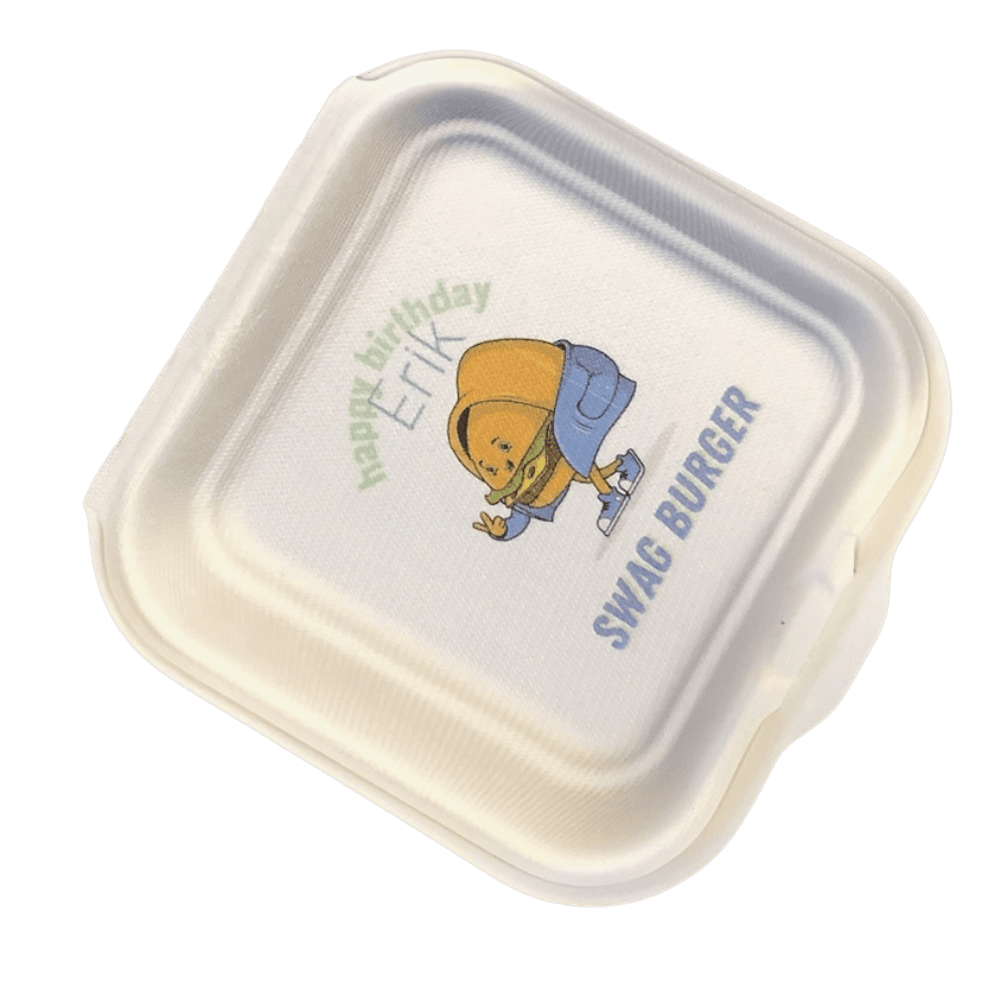
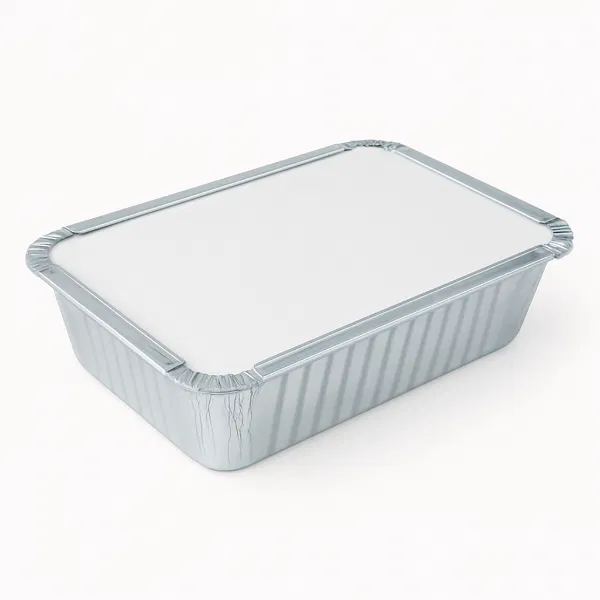
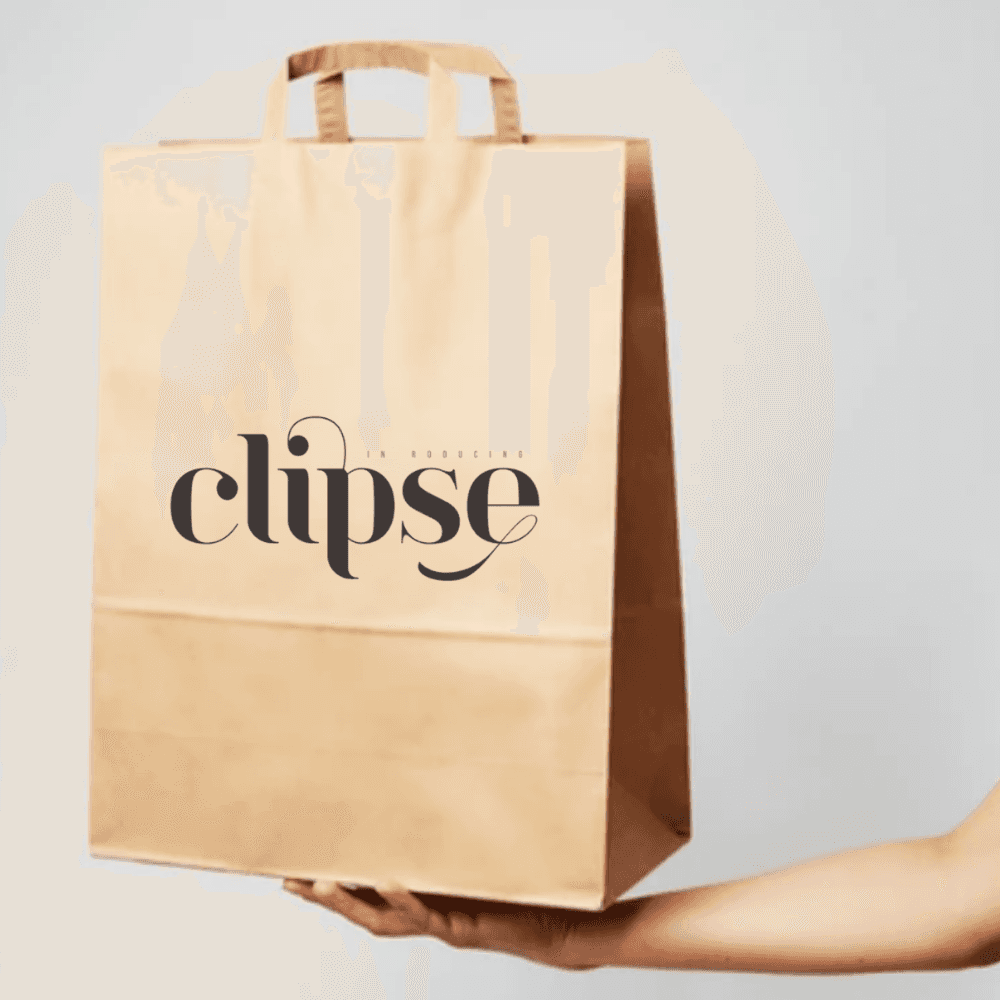
Compliant alternatives available from PrintNPack Ireland: bagasse boxes, foil containers, and paper bags.
Frequently Asked Questions
Is expanded polystyrene banned in Ireland?▼
Can I still use EPS fish boxes in Ireland?▼
How do I dispose of EPS polystyrene in Ireland?▼
What does PPWR mean for EPS packaging in Ireland?▼
Switch to Compliant Eco Packaging Today
PrintNPack Ireland stocks bagasse burger boxes, foil containers, paper bags, and compostable alternatives to EPS — all SUP-compliant and PPWR-ready. No large minimum orders.